
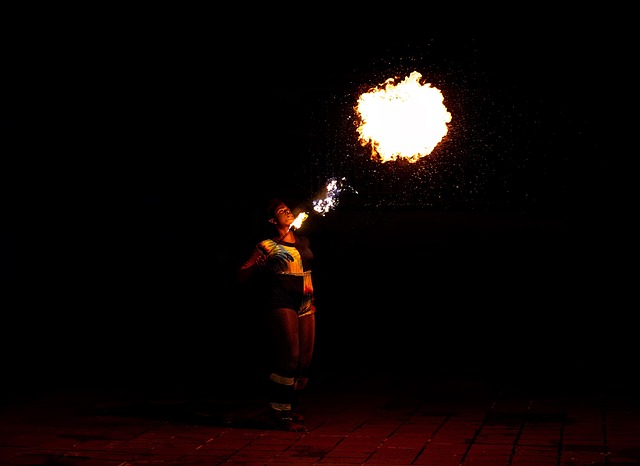
Throughout human history, the spectacle has existed regardless of language, religion, or culture. Though its forms have changed across centuries and civilizations, the impulse behind it remains remarkably consistent: to create a public event so meaningful, dramatic, or visually striking that it captures the attention of an entire community and leaves a lasting impression on those who witness it.
As of this writing, the 2026 FIFA World Cup is underway alongside PRIDE celebrations around the world. While vastly different in purpose, both are modern spectacles that bring people together through shared experiences. The World Cup gathers the world's best men's soccer teams for a tournament of skill, competition, and sportsmanship. PRIDE brings communities together in celebration of self-love, equal rights, and the resilience of the LGBTQ community. Both demonstrate the enduring power of spectacle to unite people around a common cause, passion, or identity.
The World Cup is only the latest chapter in a long history of athletic and cultural spectacles. In ancient Rome, massive crowds gathered to witness gladiatorial contests, chariot races, mock naval battles, and triumphal parades. These events entertained the public while also displaying the wealth, power, and authority of the empire.
Elsewhere, civilizations developed their own traditions. In ancient Egypt, the Opet Festival celebrated the gods through music, dance, parades, and ritual offerings. Thousands gathered to watch sacred processions move between temples, reinforcing a shared sense of faith and community. Beyond the borders of Europe and Africa, Japan established the Gion Matsuri in 869 A.D. Originally intended to ward off evil spirits and plagues, the festival has evolved into a monthlong celebration of Japan's enduring spirit and cultural heritage.
Despite being separated by geography, language, and centuries of history, these spectacles served remarkably similar purposes. They created opportunities for people to gather, celebrate, and participate in something larger than themselves. What makes spectacles endure is not merely their scale or visual grandeur but their ability to create a shared experience among those who participate. Whether gathered around the Colosseum in ancient Rome, lining the streets during the Opet Festival, or watching the FIFA World Cup from living rooms and pubs around the globe, people become part of a collective moment that transcends their individual lives.
For a fleeting moment, personal concerns are set aside in favor of a common identity centered on a shared event. Spectacles provide a sense of belonging, allowing communities to celebrate their values, traditions, victories, and aspirations together. In doing so, they transform crowds into audiences, audiences into participants, and participants into communities bound by shared memories.
These moments matter because life often feels defined by division. Political disagreements, cultural differences, economic struggles, and personal hardships can make people feel isolated from one another. Yet spectacles remind us that there are still experiences capable of bringing us together. The fact that societies separated by oceans, continents, and centuries independently created festivals, games, ceremonies, and celebrations suggests that the desire for collective experience is deeply human.
Even the existence of similar events across the globe demonstrates the joy people find in gathering around something meaningful. If that were not the case, why did so many different cultures, separated by time and distance, develop their own spectacles? The answer may be simple: we all seek something similar. We seek connection, belonging, and moments that allow us to feel part of something larger than ourselves. In that search, we find each other.


.png)